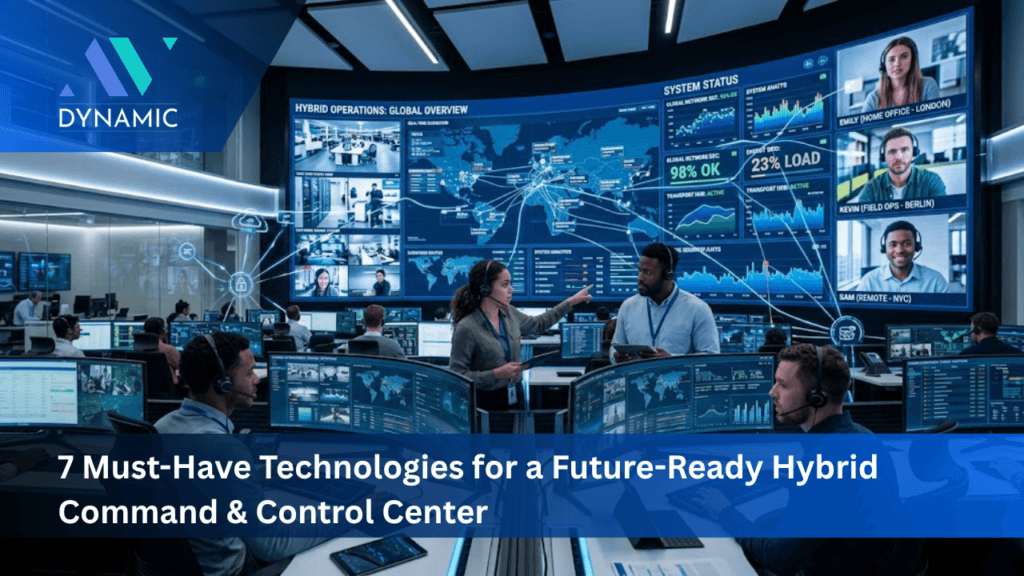
7 Must-Have Technologies for a Future-Ready Hybrid Command & Control Center In today’s fast-moving digital landscape, businesses can no longer rely on traditional monitoring setups. With distributed teams, real-time operations, and increasing data complexity, organizations are shifting toward hybrid command and control centers, a blend of physical and remote monitoring environments designed for speed, visibility, and smarter decision-making. From IT operations and security monitoring to smart cities and enterprise management, hybrid monitoring rooms are becoming the backbone of modern organizations. But building a future-ready setup isn’t just about installing screens and dashboards. It requires a strategic integration of technologies that enable collaboration, automation, and real-time intelligence. In this blog, we’ll break down the 7 must-have technologies that define a powerful hybrid command & control center and how they help businesses stay ahead in 2026 and beyond. 1. Advanced Video Wall Systems At the heart of every command center lies a high-resolution video wall. It acts as the central visualization hub, displaying critical data streams, alerts, analytics dashboards, and live feeds in real time. Modern video walls go beyond basic displays. They are designed to support: Ultra-high-definition (4K/8K) content Multi-source integration Seamless content switching Flexible layouts for different operational needs In hybrid environments, video walls must also support remote access and cloud integration, ensuring that off-site teams can view and interact with critical data. Why it matters:A well-designed video wall improves situational awareness, reduces response time, and enables faster decision-making. 2. Unified Communication & Collaboration Tools Hybrid command centers rely heavily on seamless communication between on-site teams and remote operators. This is where unified communication platforms play a crucial role. These systems integrate: Video conferencing Instant messaging Voice communication Screen sharing Real-time collaboration tools Popular platforms like Microsoft Teams, Zoom, and Cisco Webex are commonly integrated into command center ecosystems. Why it matters:Without unified communication, hybrid monitoring becomes fragmented. These tools ensure real-time coordination and faster incident response. 3. AI-Powered Analytics & Automation One of the biggest shifts in modern command centers is the move from reactive monitoring to predictive and intelligent operations. AI-powered systems enable: Predictive alerts and anomaly detection Automated incident response Pattern recognition across large datasets Real-time decision support Instead of waiting for issues to occur, AI helps teams anticipate problems before they escalate. Why it matters:AI reduces manual workload, improves accuracy, and enables proactive decision-making for high-stakes environments like security operations and IT infrastructure monitoring. 4. Integrated AV + IT Infrastructure A future-ready command center must seamlessly combine audiovisual (AV) systems with IT infrastructure. Traditionally, these systems operated separately but hybrid environments demand full integration. This includes: AV-over-IP technology Networked control systems Cloud-based AV management Scalable infrastructure The convergence of AV and IT ensures that data flows smoothly across devices, platforms, and locations. Why it matters:Integrated systems eliminate silos, improve efficiency, and allow centralized control of operations. 5. Secure Network Architecture Security is non-negotiable in a hybrid command center. With multiple access points on-site and remote organizations must invest in a robust and secure network infrastructure. Key components include: End-to-end encryption Zero-trust security models Secure remote access (VPN, SASE) Network monitoring and threat detection Hybrid setups increase vulnerability if not properly secured. A strong network architecture ensures that sensitive data remains protected. Why it matters:Security breaches can disrupt operations and cause significant financial and reputational damage. A secure network ensures business continuity and trust. 6. Real-Time Data Integration & Dashboarding A command center is only as effective as the data it processes. Modern hybrid environments require real-time data integration from multiple sources. This includes: IoT devices Enterprise systems (ERP, CRM) Security systems External data feeds Advanced dashboards bring all this data into a single interface, allowing teams to monitor, analyze, and act instantly. Why it matters:Centralized dashboards eliminate data silos and provide a single source of truth, enabling faster and more accurate decision-making. 7. Ergonomic & Intelligent Workspace Design Technology alone doesn’t define a command center; human efficiency does. That’s why workspace design plays a critical role in hybrid monitoring environments. Key elements include: Ergonomic seating and console design Optimized screen placement Acoustic control Lighting design for reduced fatigue Collaboration zones for team interaction In hybrid setups, the physical space must complement digital workflows, ensuring comfort and productivity for operators. Why it matters:A well-designed workspace reduces errors, improves focus, and enhances overall operational efficiency. The Bigger Picture: From Monitoring to Intelligence Enterprise organizations are increasingly adopting AV-over-IP systems to improve scalability and simplify management. This approach allows businesses to: manage meeting room devices remotely monitor system performance centrally reduce maintenance complexity standardize room experiences across locations As organizations expand hybrid work strategies, scalable AV infrastructure becomes essential. The Growing Importance of AV Design and Consulting Hybrid command and control centers are no longer just about monitoring systems; they are evolving into intelligence hubs that drive business outcomes. By combining these seven technologies, organizations can: Improve operational efficiency Reduce downtime and risks Enable faster decision-making Scale operations across multiple locations Support hybrid and remote teams effectively Industries such as IT, BFSI, smart cities, manufacturing, and security are already adopting hybrid command centers to stay competitive. Final Thoughts Building a future-ready hybrid command & control center is not about adopting one or two technologies, it’s about creating a fully integrated ecosystem that supports visibility, collaboration, and intelligence. Organizations that invest in the right technologies today will be better equipped to handle tomorrow’s challenges whether it’s managing complex operations, responding to real-time incidents, or scaling across geographies. If you’re planning to build or upgrade your monitoring environment, start by evaluating these seven essential technologies. The right combination can transform your command center from a monitoring space into a strategic decision-making powerhouse.
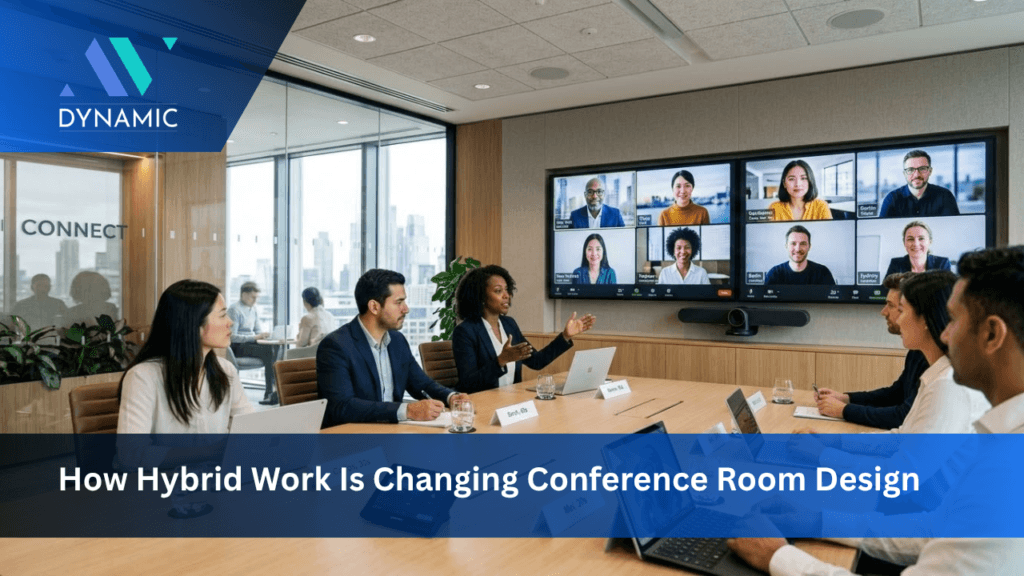
How Hybrid Work Is Changing Conference Room Design The modern workplace has changed permanently. What was once considered a temporary shift has now become the standard operating model for many organizations. Teams are no longer working from a single location. Employees collaborate from offices, homes, coworking spaces, and even different countries often within the same meeting. As hybrid work continues to evolve, businesses are discovering that traditional conference room designs are no longer enough. Meeting spaces that were built for in-person discussions now need to support seamless collaboration between physical and remote participants. And this shift is transforming how enterprises think about conference room technology, AV infrastructure, and workplace design. The future of collaboration is no longer defined by the size of a meeting room. It is defined by how intelligently that space connects people. The Shift From Physical Rooms to Collaboration Hubs Traditional conference rooms were designed around one assumption: Everyone would be physically present. The technology requirements were simple: A display screen A projector Basic microphones A conference phone But hybrid work has fundamentally changed meeting dynamics. Today, every meeting may include: Remote employees Clients joining virtually Distributed leadership teams Cross-location collaboration Global participants across time zones As a result, conference rooms are evolving into intelligent collaboration hubs designed to create equal experiences for everyone regardless of location. The focus is no longer just on presenting information. It is about enabling real-time collaboration without friction. Why Traditional Conference Rooms No Longer Work Many organizations still rely on meeting spaces that were not designed for hybrid collaboration. This creates several common challenges: Remote Participants Feel Disconnected In poorly designed meeting rooms, remote attendees often struggle to: see everyone clearly hear discussions properly participate naturally in conversations This creates an imbalance between in-room and remote participants. Meetings Lose Momentum Simple technical problems can delay meetings: audio issues camera setup problems screen sharing failures complicated controls Even small delays disrupt communication and reduce productivity. Inconsistent User Experiences Employees expect meeting rooms to work consistently. But when every room has a different setup, people waste time learning systems instead of focusing on collaboration. IT Teams Face Constant Support Requests Poorly integrated AV systems often create ongoing operational problems. Many enterprises report large volumes of IT support tickets related to meeting room technology. The issue is rarely just the hardware. It is usually the overall room design. How Hybrid Work Is Influencing Conference Room Design Modern conference rooms are now being designed around flexibility, simplicity, and intelligent collaboration. Several major trends are shaping this transformation. 1. AI-Powered Video Collaboration Video has become the center of modern meetings. Organizations are increasingly adopting AI-powered cameras that can: automatically frame participants track active speakers follow presenters during discussions optimize views for remote attendees These systems create more natural meeting experiences by helping remote participants feel included in the room conversation. Instead of static camera angles, meetings become dynamic and interactive. This is especially important in larger boardrooms, training spaces, and collaboration environments. 2. Flexible and Multi-Purpose Meeting Spaces Conference rooms are no longer designed for a single purpose. Modern workplaces require spaces that can quickly adapt to: team collaboration client presentations hybrid training sessions brainstorming workshops executive meetings As a result, organizations are moving toward modular and flexible room designs. Furniture, displays, and AV systems are being selected to support multiple collaboration scenarios within the same environment. The goal is adaptability without complexity. 3. Seamless Integration With Collaboration Platforms Employees no longer want to think about technology before starting a meeting. They expect: one-touch meeting start instant wireless content sharing automatic device connectivity simple room controls This is why modern conference rooms are increasingly designed around platforms such as Microsoft Teams and Zoom. Integrated AV systems reduce friction and create predictable user experiences across every meeting space. 4. Intelligent Audio Design A good video means little without clear audio. Hybrid meetings depend heavily on voice clarity, especially for remote participants. Modern AV design now focuses on: ceiling microphone arrays intelligent noise suppression voice tracking technology balanced speaker coverage The objective is simple: every participant should hear and be heard clearly, regardless of where they are sitting. 5. AV-Over-IP Infrastructure and Centralized Management Enterprise organizations are increasingly adopting AV-over-IP systems to improve scalability and simplify management. This approach allows businesses to: manage meeting room devices remotely monitor system performance centrally reduce maintenance complexity standardize room experiences across locations As organizations expand hybrid work strategies, scalable AV infrastructure becomes essential. The Growing Importance of AV Design and Consulting One of the biggest misconceptions about conference room transformation is that success depends only on buying advanced technology. In reality, even the best hardware can fail if the room itself is poorly designed. Successful hybrid meeting environments require strategic AV planning, including: camera placement microphone positioning room acoustics display visibility lighting conditions network infrastructure user workflow design This is where professional AV consulting becomes critical. A well-designed conference room creates experiences that feel effortless. Users should never need to think about the technology. The room should simply work. The Business Benefits of Smart Conference Room Design Organizations that invest in intelligent meeting room environments often experience measurable improvements. Better Collaboration Balanced meeting experiences improve communication between remote and in-office teams. Higher Productivity Reliable systems reduce delays and allow meetings to start faster. Reduced IT Burden Simplified and standardized AV systems reduce support requests and operational issues. Improved Employee Experience Employees feel more confident using meeting spaces that are intuitive and consistent. Future-Ready Workplaces Smart conference room infrastructure supports long-term hybrid work strategies and organizational growth. The Future of Conference Rooms Conference rooms are no longer just physical spaces with screens and tables. They are becoming intelligent collaboration environments designed to support the way modern teams work. As hybrid work continues to evolve, organizations must rethink how meeting spaces are designed, integrated, and managed. The future belongs to meeting environments that are: simple to use flexible in function intelligent in operation consistent across locations Because in today’s workplace, collaboration quality
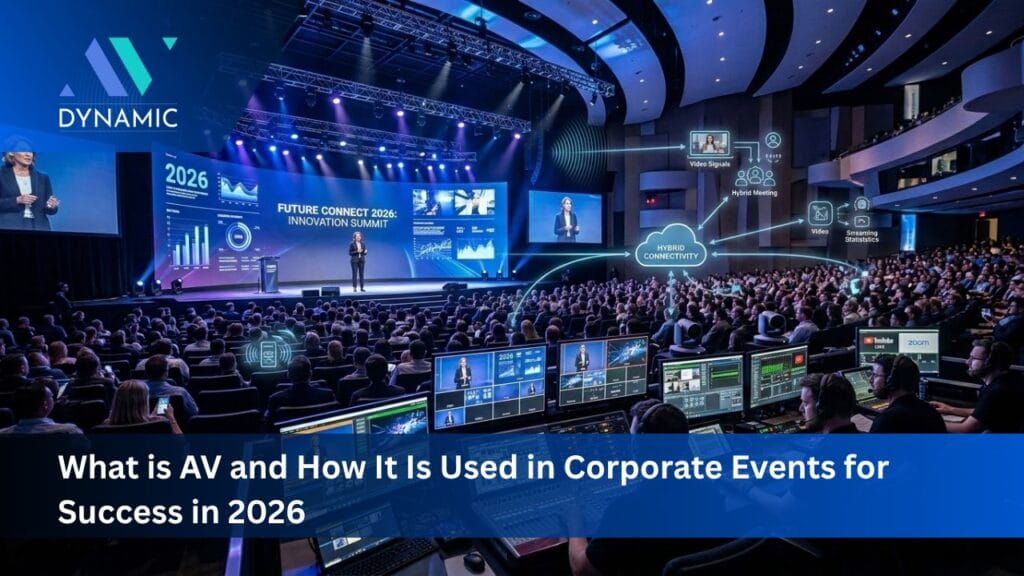
Introduction In today’s fast-evolving corporate landscape, events are no longer just about gathering people in a room—they are about creating impactful experiences. This is where AV (Audio Visual) technology plays a crucial role. From boardroom meetings to global conferences, AV has become the backbone of modern communication and engagement. As we move into 2026, corporate events are increasingly driven by hybrid models, immersive experiences, and real-time collaboration. Businesses are investing heavily in conference room AV solutions, advanced audio video solutions, and partnering with reliable AV solution providers to ensure seamless execution. Companies like AV Dynamic are helping organizations transform traditional events into dynamic, tech-enabled experiences that deliver measurable results. What is AV Technology? AV (Audio Visual) technology refers to the integration of sound and visual components to enhance communication, presentations, and user experiences. It combines hardware and software to deliver information effectively. Key Components of AV Technology: Audio Systems: Microphones, speakers, sound mixers Visual Displays: LED walls, projectors, video walls Control Systems: Automation tools for managing AV setups Video Conferencing Tools: Cameras, streaming platforms In simple terms, AV technology ensures that your message is not only heard clearly but also seen effectively—making communication more engaging and impactful. Role of AV in Corporate Events Corporate events in 2026 are highly dependent on AV technology to deliver professional, seamless, and engaging experiences. 1. Conferences and Seminars Large-scale conferences rely on AV for presentations, keynote speeches, and audience interaction. High-quality visuals and clear audio ensure that every participant stays engaged. 2. Business Meetings Modern meeting rooms are equipped with conference room AV solutions that enable smooth communication, especially in hybrid work environments. 3. Product Launches AV technology helps create visually stunning product demonstrations using LED displays, lighting effects, and live streaming. 4. Hybrid and Virtual Events With remote work becoming the norm, hybrid events are now standard. AV solutions bridge the gap between physical and virtual attendees. Key AV Solutions for Corporate Events To ensure event success, businesses must invest in the right AV solutions. Here are the most important ones: 1. Conference Room AV Solutions These include integrated systems designed for efficient communication and collaboration: Smart displays Video conferencing systems Wireless presentation tools These solutions are essential for modern offices and corporate meeting spaces. 2. Live Streaming & Hybrid Event Technology Live streaming allows companies to reach a global audience. Key features include: Multi-camera setups Real-time broadcasting Cloud-based streaming platforms 3. Interactive Displays & Collaboration Tools Touchscreens, digital whiteboards, and collaboration software enhance audience participation and engagement. 4. Sound and Lighting Systems Professional audio and lighting systems create the right atmosphere and ensure clarity throughout the event. Benefits of Using AV in Corporate Events Investing in professional audio video solutions offers several advantages: Enhanced Audience Engagement Visual storytelling, high-quality audio, and interactive tools keep audiences interested and involved. Professional Brand Image Well-executed AV setups reflect professionalism and strengthen brand perception. Seamless Communication Clear audio and visuals eliminate misunderstandings and improve message delivery. Increased ROI Better engagement leads to higher conversions, stronger relationships, and improved event outcomes. How AV Drives Event Success in 2026 The role of AV is evolving rapidly with technological advancements. Here’s how it is shaping event success: 1. AI-Powered AV Systems AI is being used to automate sound adjustments, camera angles, and lighting, ensuring optimal performance without manual intervention. 2. Automation and Smart Control Centralized control systems allow event managers to operate all AV components from a single interface. 3. Data-Driven Insights Modern AV tools can track audience engagement, helping businesses measure event success and improve future strategies. 4. Immersive Experiences Technologies like AR (Augmented Reality), VR (Virtual Reality), and LED environments create unforgettable experiences. Choosing the Right AV Solution Provider Selecting the right AV partner is critical for event success. Here are key factors to consider: Experience and Expertise Choose a provider with proven experience in handling corporate events. Customized Solutions Every event is unique, so the AV setup should be tailored to your needs. Technical Support Reliable support ensures smooth execution without disruptions. Advanced Technology Ensure the provider uses the latest AV tools and systems. A trusted partner like AV Dynamic offers end-to-end AV services, helping businesses deliver impactful and successful events. Future Trends in AV Technology As we look ahead, AV technology will continue to evolve and redefine corporate events. Smart Offices Integration of AV with IoT devices will enable fully automated workspaces. Hybrid Work Environments Advanced conference room AV solutions will support seamless collaboration between remote and in-office teams. Cloud-Based AV Systems Cloud technology will allow remote management and scalability of AV setups. Personalized Experiences AI will enable customized content delivery based on audience preferences. Real-World Use Case Imagine a multinational company hosting a global conference in 2026: Attendees join both physically and virtually AI-powered cameras track speakers automatically Real-time translation is provided through AV systems Interactive polls engage the audience instantly This level of sophistication is only possible with advanced audio video solutions and expert implementation. Conclusion AV technology is no longer optional—it is essential for corporate event success in 2026. From enhancing communication to creating immersive experiences, AV plays a critical role in delivering impactful events. Businesses that invest in modern conference room AV solutions and partner with experienced AV solution providers gain a competitive edge. Whether it’s a small meeting or a large-scale conference, the right AV setup can transform the entire experience. If you’re looking to upgrade your corporate events, working with experts like AV Dynamic can help you achieve seamless execution and outstanding results. FAQs 1. What does AV mean in corporate events? AV stands for Audio Visual, which includes technologies like sound systems, displays, and video conferencing tools used to enhance communication. 2. Why are AV solutions important for corporate events? They improve engagement, ensure clear communication, and create a professional event experience. 3. What are conference room AV solutions? These are integrated systems designed to improve communication and collaboration in meeting spaces. 4. How does AV support hybrid events? AV technology enables real-time
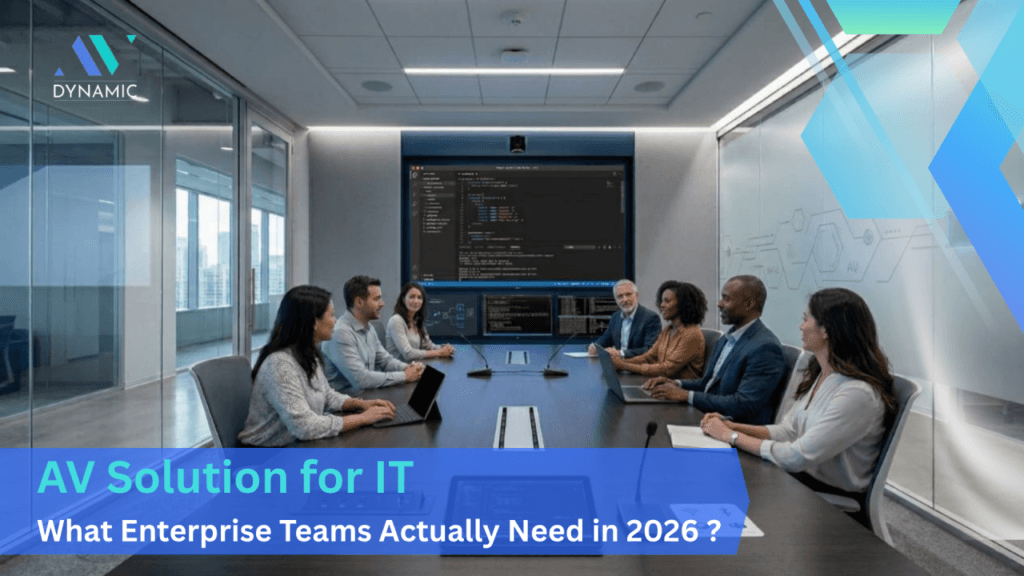
AV Solution for IT: What Enterprise Teams Actually Need in 2026 Picture this: a critical client presentation is about to begin. The conference room camera isn’t working, the display refuses to detect the laptop, and three people are frantically swapping HDMI cables. The meeting starts 15 minutes late and the IT helpdesk gets yet another frustrated ticket. This scenario plays out daily across enterprises and it’s exactly the problem a well-designed AV solution for IT is built to prevent. Whether you manage 10 meeting rooms or 200, your audio-visual environment is now a core part of your IT infrastructure. Treating it as anything less is a risk your business can’t afford. This blog breaks down what enterprise AV solutions actually look like from an IT perspective, what separates scalable deployments from patchwork setups, and what your team should be evaluating right now. What is an AV Solution for IT? An AV solution for IT is an integrated system of audio-visual hardware, software, and network infrastructure designed specifically for enterprise environments. It enables IT teams to deploy, manage, and support conferencing and collaboration technology at scale, with centralized monitoring, standardized devices, and seamless compatibility with platforms like Microsoft Teams and Zoom. From an IT standpoint, the definition goes much further than cameras and displays. It includes the management layer the tools, protocols, and architecture that allow your team to maintain AV systems with the same rigor applied to any other enterprise endpoint. This means dedicated VLANs, remote device management, firmware governance, and integration with your existing ITSM workflows. When those elements are in place, AV stops being a facilities problem and starts behaving like the IT infrastructure it actually is. Challenges IT Teams Face with AV Systems Before diving into solutions, it’s worth naming the real problems. IT leaders managing AV infrastructure face a consistent set of frustrations and most of them stem from the same root cause: AV was never planned as infrastructure. 1. Device Dependency and One-Off Setups Many enterprise AV environments grew organically. Different departments bought different equipment, different vendors installed different systems, and now IT owns a patchwork of incompatible devices. This makes every support call a custom problem with no repeatable fix. 2. Lack of Standardization Without a standardized AV stack, there’s no repeatable troubleshooting process. A room in Mumbai might run a Logitech Rally Bar while the Delhi office uses a Poly Studio same issue, different resolution path. IT wastes time re-learning rather than resolving. 3. Integration Complexity Modern AV doesn’t exist in isolation. It touches the network, the cloud collaboration stack, Active Directory, and in some cases physical security systems. Poor AV integration for IT teams creates blind spots and friction at every layer of the environment. 4. High Support Ticket Volume AV issues consistently rank among the top support categories in enterprise IT. What makes it worse is that most of these tickets are reactive IT only finds out when a meeting is already failing. At that point, the damage is done. Key Components of Enterprise AV Solutions A well-designed enterprise AV solution is built around five core components. Each one has to work independently and together for the system to function reliably at scale. Professional Displays Commercial-grade screens with HDMI 2.1, USB-C, and wireless presentation support. Unlike consumer TVs, these are built for continuous use, remote management, and integration with room control systems. Intelligent Conferencing Cameras AI-enhanced cameras from manufacturers like Logitech, Neat, or Poly that handle auto-framing, speaker tracking, and low-light performance without requiring manual adjustment. In a hybrid meeting, the camera is the most visible differentiator between a good experience and a frustrating one. Microphones and Audio Processing Ceiling array mics, beamforming microphones, and DSP-enabled audio bars provide consistent voice clarity even in large, open-plan, or acoustically challenging spaces. Audio quality is typically the first thing participants notice, yet it’s the component most often under-specified. Room Control Systems Touch panels and room controllers from brands like Crestron or Extron give end users a simple one-touch interface while giving IT complete back-end control automation, scheduling, diagnostics, and remote override all from a centralized platform. Network Integration AV devices belong on dedicated VLANs with QoS policies, defined firewall rules, and monitored bandwidth allocation. Firmware updates should be managed the same way any other enterprise endpoint is managed scheduled, tested, and documented. What IT Teams Should Look for in an AV Solution for IT Not all AV solutions are created equal. When evaluating audio visual solutions for IT infrastructure, these criteria separate enterprise-grade deployments from everything else. Remote Management and Monitoring IT should be able to view the health status of every AV device across every location from a single dashboard. Look for solutions that support SNMP, REST APIs, or vendor-native platforms like Logitech Sync, Crestron XiO Cloud, or Zoom Device Management. These should slot into your existing ITSM workflows, not operate as separate silos. Scalability Across Locations Whether you’re deploying in 10 rooms or 200, the architecture should scale without requiring custom engineering at each site. Templated room designs, cloud-based provisioning, and bulk configuration management are non-negotiable for distributed IT teams. Platform Compatibility Your AV solution must work natively with the collaboration platform your organization runs — Microsoft Teams Rooms, Zoom Rooms, Webex Devices, or Google Meet. Certified hardware reduces compatibility risk and ensures a consistent one-touch-to-join experience without workarounds or third-party middleware. Security Considerations AV devices are endpoints and endpoints are attack surfaces. Any AV integration for IT teams must address: • Firmware update management and vulnerability patching cadence • Network segmentation via dedicated AV VLAN • Authentication and access control for control panels and management portals • Data privacy compliance for camera feeds and audio recordings Standardization Across Rooms The single biggest lever IT teams have to reduce AV support burden is standardization. When every small room runs the same camera, the same codec, and the same control interface, troubleshooting becomes a documented process instead of a
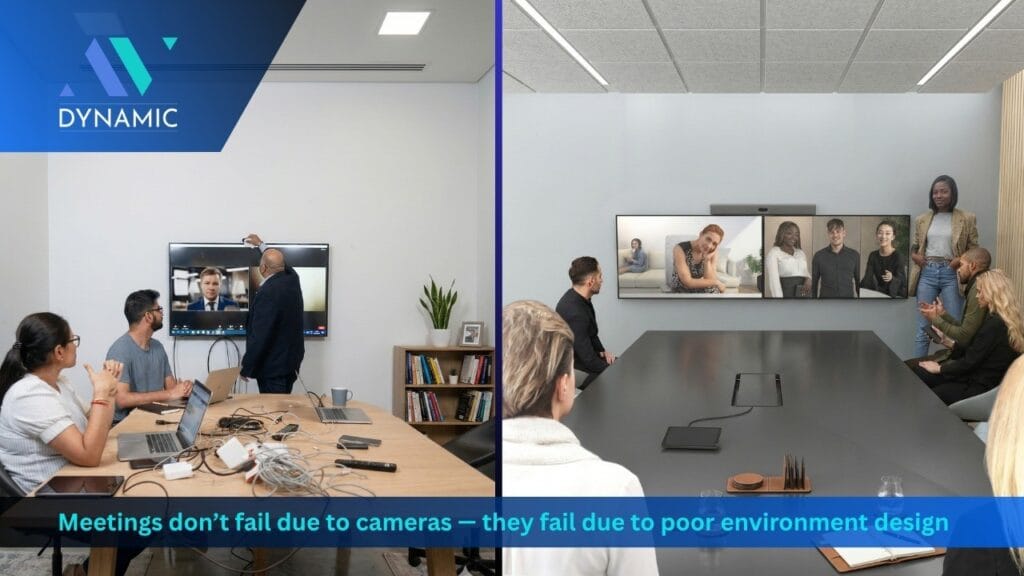
The Meeting Room Upgrade Trap And How Forward Thinking Organisations Are Avoiding It Most AV upgrade projects begin with a product list. New displays. Better cameras. Upgraded codecs. A sleeker control panel. And most end with the same frustration the meetings still don’t run smoothly. Here’s the uncomfortable truth the industry rarely talks about: the technology was never the real problem. We’re Asking the Wrong Question When a meeting room underperforms, the instinct is to look at the hardware. That’s understandable hardware is visible, tangible, and easy to replace. But the meetings that frustrate people aren’t failing because of outdated screens. They’re failing because the environment wasn’t designed around how people actually work today. Hybrid work didn’t just change where people sit. It changed the dynamics of every meeting who speaks, who gets heard, who gets lost in a bad camera angle or a dropped audio feed. Upgrading the equipment without rethinking the environment is like repainting a house without fixing the foundation. What the Next Decade of Meeting Spaces Will Look Like Forward-looking organisations aren’t just buying better technology. They’re designing for outcomes. The meeting rooms being built right now the ones that will still be relevant in 2030 share a few things in common: They’re built around behaviours, not specifications. The question isn’t ‘what’s the best camera?’ It’s ‘how do people in this room need to see and be seen?’ They treat consistency as a feature. When every room works the same way, people stop thinking about the technology and start focusing on the conversation. They’re designed to evolve. AI, new collaboration platforms, changing team structures the rooms being built today need to accommodate tools that don’t fully exist yet. They measure what matters. Not just whether the system works on day one, but whether it continues to perform six months, two years, five years from now. The Real Cost of Getting It Wrong A failed upgrade doesn’t just waste budget. It erodes trust. When teams walk into a room and expect it to work and it doesn’t they stop trusting the technology. They start working around it. They default to their laptops and personal hotspots. The investment becomes invisible because people have learned to ignore it. That erosion is slow, but it compounds. And it’s far more expensive than doing the job right the first time. A Better Framework for Thinking About Upgrades Before any conversation about products or pricing, the organisations getting this right are asking three questions: 1. What is actually breaking down in our meetings and when? 2. How are our spaces being used today versus how we designed them to be used? 3. What does the next three to five years of collaboration look like for our teams? The answers to those questions should drive the upgrade not the other way around. At AV Dynamic, we start every project with an environment audit, not a product catalogue. Because the most important decision in any AV project is made before a single piece of equipment is selected. The organisations investing in that clarity today are the ones whose meeting rooms will still be working and working well long after everyone else is planning their next upgrade. What’s your organisation’s biggest challenge with meeting room technology right now? I’d be interested to hear what you’re seeing on the ground We’re entering a phase where: Speed of decision-making = competitive advantage Collaboration quality = business performance Employee experience = retention And all three are directly influenced by meeting environments. This is why enterprises are now treating AV not as support — but as core infrastructure.
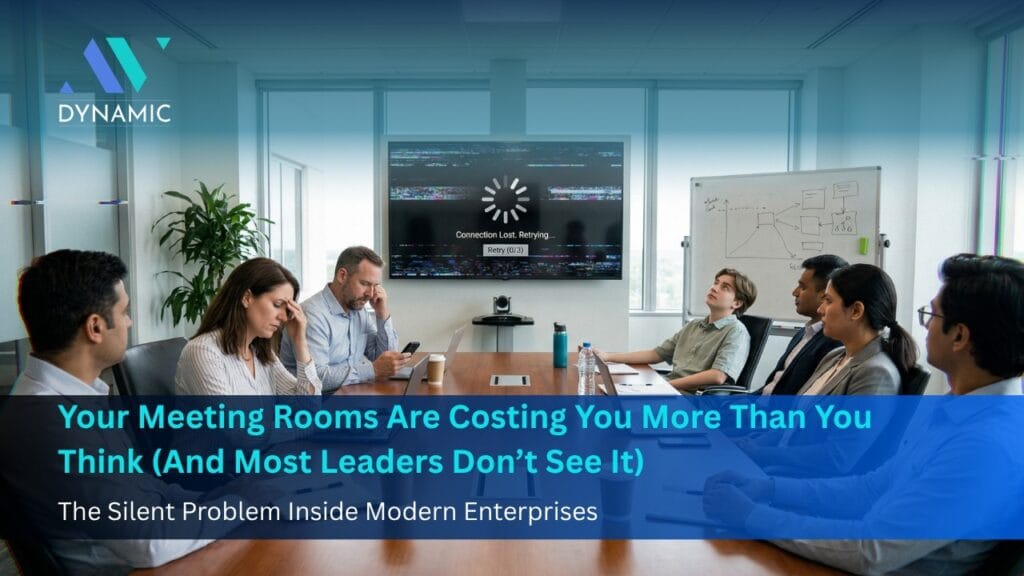
Your Meeting Rooms Are Costing You More Than You Think (And Most Leaders Don’t See It) The Silent Problem Inside Modern Enterprises Most organizations today proudly talk about digital transformation, AI adoption, and cloud infrastructure. But very few are asking a simple question: What happens inside your meeting rooms every day? Because that’s where: Decisions are made Strategies are debated Clients are influenced Teams align Yet, in many enterprises, meeting rooms remain the least optimized part of the modern workplace. And the cost of that gap is far bigger than it looks. The Hidden Reality of Hybrid Work Hybrid work has fundamentally changed how organizations collaborate. Today’s meetings are no longer confined to one room. They include: Remote employees Leadership across locations Clients joining virtually Cross-functional global teams This shift has made hybrid collaboration technology mission-critical. But here’s the problem: Most meeting rooms were never designed for this reality. Where Things Start Breaking Down If you look closely, the signs are everywhere: Meetings start late because systems don’t connect Remote participants struggle to engage Audio drops force repetition Cameras fail to capture the full room IT teams are constantly firefighting Individually, these seem like small issues. But at scale? They create massive operational friction. And more importantly — they slow down decisions. This Is Not a Technology Problem Most companies already have: Good cameras Collaboration platforms like Teams or Zoom Decent displays So why do meetings still fail? Because the real issue is not the technology. It’s the lack of integration and design. Without a structured approach, even the best tools become disconnected systems. This is where the shift from AV setup to AV strategy begins. The Rise of Smart Collaboration Environments Forward-thinking enterprises are now reimagining their meeting rooms as: Smart collaboration environments These are not just rooms with devices. They are intelligent systems designed for seamless communication. Key characteristics include: 1. AI-Driven Meeting Experiences Cameras that automatically frame participants Systems that track speakers in real time Noise cancellation that adapts to the environment This is where AI in workplace technology is making a real difference. 2. Frictionless User Experience The goal is simple: Walk in. Start meeting. No confusion. One-touch meeting start Automatic device syncing Zero dependency on IT support Because productivity starts with simplicity. 3. True Hybrid Collaboration Not just “joining remotely” — but feeling present remotely. Modern setups ensure: Equal visibility for all participants Balanced audio across the room Natural interaction between remote and in-room teams This is what defines next-gen hybrid workspaces. 4. Scalable and Standardized Systems Large organizations are moving toward: Standardized meeting room designs Consistent experience across offices Centralized monitoring and control This reduces chaos and increases efficiency at scale. Why This Shift Matters More Than Ever We’re entering a phase where: Speed of decision-making = competitive advantage Collaboration quality = business performance Employee experience = retention And all three are directly influenced by meeting environments. This is why enterprises are now treating AV not as support — but as core infrastructure. Where Strategic AV Partners Come In To build these intelligent environments, companies are turning to experts like AV Dynamic. The difference? It’s not about installing equipment. It’s about designing end-to-end collaboration ecosystems. This includes: Understanding business workflows Designing room-specific solutions Integrating multiple technologies seamlessly Ensuring long-term scalability and support This approach transforms meeting rooms from cost centers into performance drivers. The Real ROI: What Leaders Actually Gain When meeting environments are designed right, the impact is immediate: Faster Decisions No delays. No disruptions. Just focused discussions. Better Collaboration Everyone — remote or in-room — participates equally. Lower IT Dependency Fewer tickets. More efficiency. Stronger Client Experience Professional, seamless interactions every time. A New Way to Think About Meeting Rooms Here’s the shift every leader needs to make: Meeting rooms are not facilitiesAV is not just hardware They are business-critical collaboration systems Final Thought Most organizations are investing heavily in: AI Automation Cloud But they are still making decisions in environments full of friction. That’s the gap. And in 2026, that gap will define who moves faster — and who gets left behind. Because ultimately: The quality of your meetings determines the quality of your decisions.
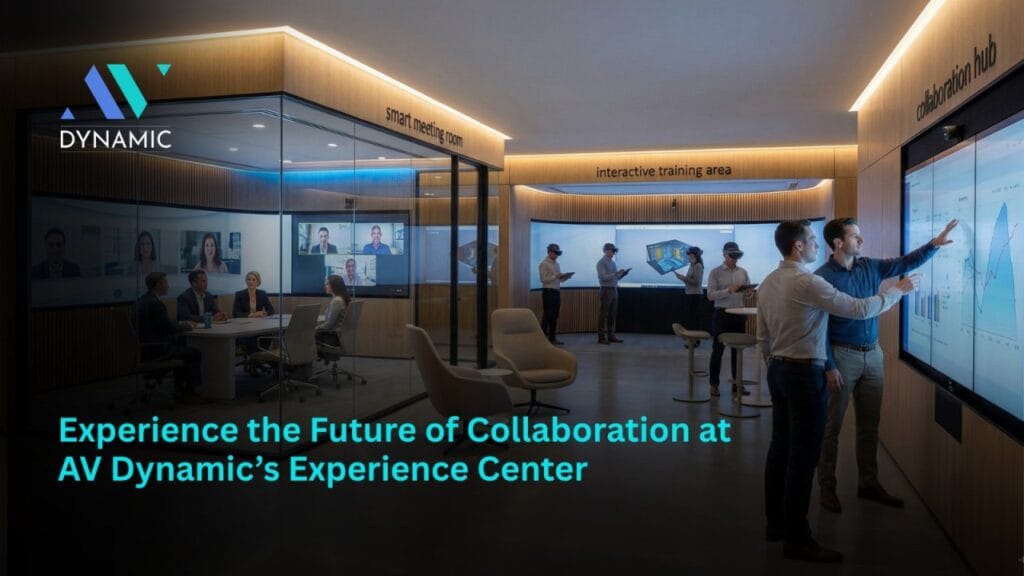
Experience the Future of Collaboration at AV Dynamic’s Experience Center When it comes to making meetings smarter, training sessions immersive, and communication seamless, nothing compares to experiencing technology in action. That’s why we built the AV Dynamic Experience Center in Pune a space where you don’t just hear about AV innovation, you see it, touch it, and live it. Our new facility is a technology playground for enterprises, consultants, and partners showcasing next-gen solutions that redefine how teams collaborate. With live demonstrations and hands-on experiences, you’ll walk away with ideas to elevate your own workplace. Smarter Meetings with Crestron One Beyond & Automate VX Step into a next-gen boardroom where cameras do the thinking for you. With AI-powered multi-camera tracking, Crestron One Beyond & Automate VX ensures every participant is seen and heard naturally. Whether on Microsoft Teams or Zoom, meetings feel immersive, natural, and distraction-free. See it live at our Experience Center and discover how your boardroom can achieve this level of intelligence. Seamless Hybrid Collaboration with Logitech UC Solutions Hybrid work is here to stay. At our Logitech-powered collaboration spaces, you’ll experience crystal-clear audio, lifelike video, and intuitive UC tools designed for every scale personal desks, huddle rooms, or large conference halls. Visit the Experience Center to see how these tools adapt instantly to your business needs. Collaborative Spaces Reimagined with Neat Imagine a workspace where every participant feels included. Neat’s innovative devices, integrated by AV Dynamic, transform open areas, training rooms, and classrooms into interactive, people-first environments. From touchscreen simplicity to vibrant displays, it’s collaboration without barriers. Our live demos show exactly how Neat reshapes engagement and communication. Why Visit the Experience Center? Because seeing is believing. Walk through real-world simulations of: High-end Boardrooms Divisible Training Rooms Monitoring & Command Centers Smart Classrooms Collaborative Workspaces All powered by globally trusted brands like Crestron, Logitech, and Neat seamlessly integrated by AV Dynamic. This is more than a demo it’s a vision of what your workplace can become. Ready to Experience the Future of AV? Your workplace transformation starts here. Book your free tour of AV Dynamic’s Experience Center in Pune today and witness firsthand how the right AV solutions can transform collaboration, communication, and productivity in your organization. Schedule Your Visit Now :- https://avdynamic.co.in/experience-centre/
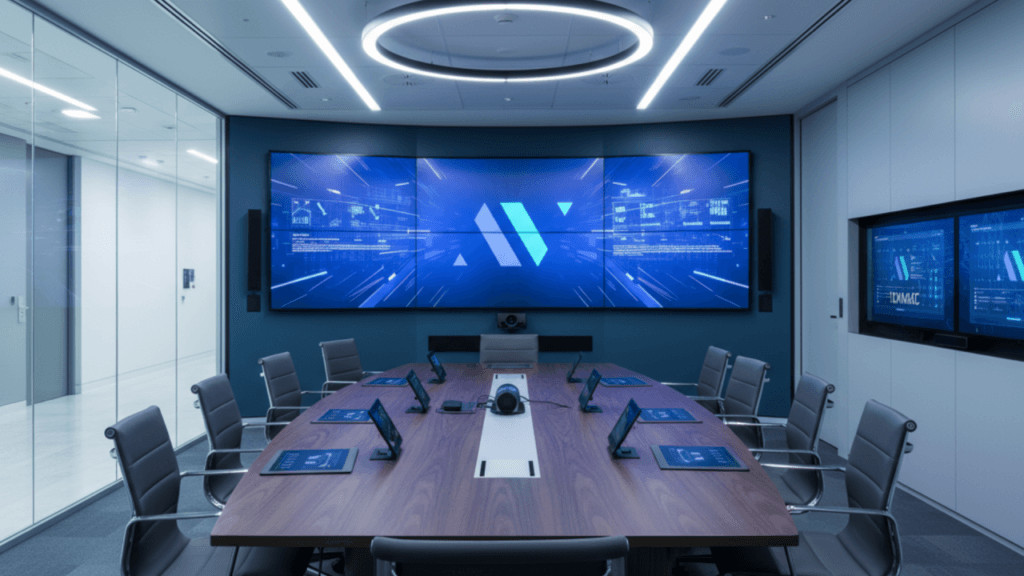
Why Most Enterprise Meeting Rooms Fail – and How Immersive AV Design Fixes It Meetings Are Happening. But Are They Meaningful? Think about the last leadership meeting you attended. The agenda was important. The people were senior. The technology was “best-in-class.” And yet something felt off. Someone struggled to hear a remote participant. The camera framed half the room and none of the energy. The meeting started late because “something wasn’t connecting.” No one says it out loud, but everyone feels it: The meeting room worked. The meeting didn’t. The Hidden Cost of Poorly Designed Meeting Rooms Enterprise leaders spend thousands of hours every year in meetings: Board reviews CXO syncs Client conversations Hybrid team discussions But most meeting rooms were never designed for how meetings actually happen today. The symptoms are familiar: Fatigued participants Missed cues in hybrid discussions Poor audio and awkward camera angles Expensive collaboration tools with low adoption Here’s the uncomfortable truth: This isn’t a technology problem. It’s a design problem. The Missing Layer: AV Design Integration Many enterprises have made significant investments in collaboration platforms to enable seamless communication across locations. But they’re deployed as devices, not as experiences. At AV Dynamic, we see a clear difference between: Installing AV equipment AND Designing how collaboration actually works As AV Design Integrators, we start with people, not products. We ask: How do people enter the room? How easily does a meeting start? Who speaks most, and who gets ignored? How do in-room and remote participants truly engage? Only after answering these questions do we design the technology layer. That sequence changes everything. Where Collaboration Technology Meets Intelligent AV Design When enterprise-grade audio and video solutions designed for modern collaboration are paired with intelligent AV design, they work with the room – not against it. This alignment reduces IT dependency and removes the small frictions that disrupt meetings, allowing conversations to start faster and flow naturally. The result is meetings that feel more focused, inclusive, and effective – whether participants are in the room or joining from anywhere in the world. When done right, enterprises experience: Crystal-clear audio where no voice is lost Intelligent video framing that captures presence, not just faces Consistent experiences across meeting rooms and locations Faster meeting starts with minimal IT dependency The meeting room stops being a bottleneck. It starts becoming a business enabler. From Meeting Rooms to Experience Spaces We’re seeing a clear shift in enterprise conversations. Leaders are no longer asking: “Which camera should we buy?” They’re asking: “How do we make meetings more focused, immersive, and productive?” That question transforms: Boardrooms Training rooms Leadership briefing centres Client experience spaces Hybrid collaboration environments Because the goal is no longer just connectivity. It’s clarity, engagement, and outcomes. Why Experiencing It Matters More Than Talking About It This is why we encourage enterprises to experience immersive meeting rooms first-hand. A short on-premise consultation or live demo helps leadership teams: See the difference between installation vs. integration Understand what works best for their spaces and culture Build a scalable roadmap for enterprise-wide collaboration You don’t just see better technology. You feel the difference in how meetings flow. The Real Takeaway Great meetings don’t happen by chance. They happen by design. And when thoughtful design meets the right technology, meetings stop being routine and start becoming meaningful. If you’re exploring ways to upgrade or standardize your enterprise meeting rooms, AV Dynamic would be happy to host an on-premise consultation or immersive demo. Experience the difference before you decide. Book a consultation | Experience an immersive meeting room
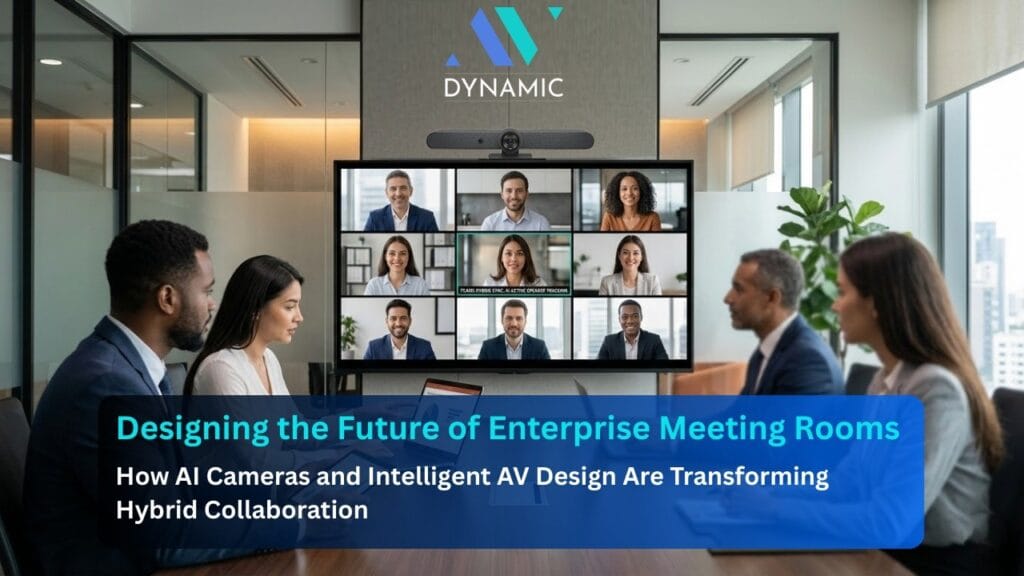
Designing the Future of Enterprise Meeting Rooms: How AI Cameras and Intelligent AV Design Are Transforming Hybrid Collaboration Modern enterprises are undergoing a profound shift in how teams collaborate. Hybrid work has moved from being an experiment to becoming the default operating model for many organizations. Employees join meetings from offices, homes, and global locations, making the quality of meeting room technology more critical than ever. In this environment, enterprise meeting rooms are no longer just physical spaces. They have become digital collaboration hubs that must deliver a seamless experience for both in-room and remote participants. This is where advanced technologies such as the Logitech Rally AI Camera and Logitech Rally AI Camera Pro are changing the game. Powered by AI video intelligence, precision optics, and flexible deployment models, these cameras are designed to solve many of the challenges organizations face in hybrid meetings. However, technology alone does not guarantee successful meetings. The real transformation happens when advanced collaboration technologies are integrated into meeting environments through intelligent AV design and consulting. This is the space where AV Dynamic plays a critical role for enterprise organizations. The Enterprise Meeting Challenge Despite the availability of modern collaboration tools, many enterprises still struggle with inefficient meeting environments. Common problems include: Remote participants unable to clearly see in-room attendees Speakers moving out of camera frame during discussions Poor camera angles that reduce engagement Inconsistent meeting experiences across different rooms Complex systems that require IT support to start meetings Industry data highlights the scale of the challenge: According to Gartner, 75% of enterprise meetings will include remote participants by 2027. Research from Microsoft shows over half of remote participants feel less engaged in hybrid meetings when room technology is poorly designed. Studies from Frost & Sullivan estimate that up to 25% of enterprise IT support tickets are related to meeting room technology issues. These insights make one thing clear: The future of collaboration depends on how intelligently meeting rooms are designed. AI Cameras: A New Era of Meeting Intelligence Modern AI-powered cameras are transforming how meetings are captured and experienced. The Logitech Rally AI camera series introduces several innovations designed specifically for enterprise collaboration environments. Intelligent Framing and Speaker Tracking AI-driven framing automatically detects participants and adjusts the camera view to ensure everyone is visible. When someone speaks, the system can dynamically highlight the active speaker. This creates a more natural and engaging meeting experience, especially for remote attendees. Presenter Tracking for Large Rooms In large training rooms or boardrooms, presenters often move around while speaking. AI cameras can follow presenters automatically, keeping them in frame without requiring manual camera control. Multi-Camera Intelligence Advanced meeting environments may deploy multiple cameras in the same room. AI coordination ensures smooth switching between views, allowing remote participants to see the room from different perspectives. Precision Optics for Large Spaces Enterprise rooms require high-quality optical performance. Cameras like the Rally AI Camera Pro provide powerful zoom capabilities and wide field-of-view coverage, ensuring clarity even in large conference spaces. These technologies bring powerful capabilities to meeting rooms—but their effectiveness depends heavily on how they are designed into the environment. Why AV Design Matters More Than Hardware Deploying advanced cameras without proper AV design often leads to disappointing results. Incorrect camera placement, poor microphone coverage, or improper room layout can reduce the benefits of even the most advanced collaboration technology. This is why enterprise organizations increasingly rely on specialized AV design partners. At AV Dynamic, the focus is not just on installing equipment—it is about designing intelligent collaboration environments. Key design elements include: Camera Placement Strategy Camera placement must consider: participant seating layouts speaker movement patterns sightline optimization coverage for large and small groups Proper placement ensures that AI features like speaker tracking and framing operate effectively. Multi-Camera Room Architecture Different meeting environments require different camera strategies. For example: Executive boardrooms benefit from dual-camera setups for balanced participant views. Training rooms may require presenter tracking cameras. Town hall or collaboration spaces may use multi-camera configurations for immersive coverage. AV Dynamic designs camera systems that match the purpose and scale of each meeting space. Integration with Collaboration Platforms Enterprise meeting rooms must integrate seamlessly with platforms such as Microsoft Teams and Zoom. This ensures: one-touch meeting start automated camera control consistent user experiences across rooms AV Infrastructure and Network Design Large enterprises require scalable and manageable AV systems. AV Dynamic designs infrastructure that supports: AV-over-IP networks centralized device management remote monitoring and diagnostics This reduces operational complexity and improves long-term reliability. The Business Impact of Intelligent Meeting Rooms When AI collaboration technology is combined with proper AV design, organizations experience measurable improvements. Better Meeting Engagement Balanced video experiences allow remote participants to see everyone clearly, improving communication and participation. Higher Productivity Meetings start faster and run more smoothly when systems are simple and reliable. Reduced IT Support Burden Properly designed meeting rooms significantly reduce the number of helpdesk tickets related to AV issues. Scalable Workplace Standards Enterprises can deploy standardized meeting room designs across offices and regions, ensuring consistent collaboration experiences. Designing the Meeting Room of the Future The enterprise meeting room is evolving into an intelligent environment powered by AI, automation, and integrated collaboration platforms. Technologies such as the Logitech Rally AI camera series provide the building blocks for this transformation. But to unlock their full potential, organizations need strategic AV design expertise. This is where AV Dynamic’s AV Design and Consulting services create real value. By combining advanced collaboration technology with intelligent room architecture, AV Dynamic helps enterprises build meeting spaces that support modern hybrid work—delivering better engagement, higher productivity, and a truly seamless collaboration experience. The future of enterprise collaboration is not just about better cameras. It is about better-designed meeting environments. And that is exactly what AV Dynamic delivers.